 English (UK) ▾
 Nederlands
 English (US)
 Deutsch
 Italiano
 Português
 Español
Volunteer in Ghana
 Certified B Corporation
★ Rated 4.7/5 (1,460 reviews) 25,000+ volunteers since 2007
Certified B Corporation
★ Rated 4.7/5 (1,460 reviews) 25,000+ volunteers since 2007
Volunteer in Ghana with Volunteering Solutions in Accra, one of Africa’s friendliest capitals, on three programmes: assisting teachers in kindergartens and primary schools, coaching at a community football academy, and a 2-week special that pairs classroom volunteering with a trip to Cape Coast’s slave-trade castles and the canopy walkway of Kakum National Park. English is the official language, which makes Ghana the easiest place in West Africa to be useful from your first week.
Programmes start every Sunday all year, run from two to twelve weeks, and are open from age 17 with parental consent — a favourite with gap-year travellers, sports-mad students and first-time volunteers. You live in our volunteer house in the beachside suburb of Teshie Nungua with breakfast and dinner provided, work Monday to Friday, and have weekends for Kokrobite beach, Cape Coast or the wildlife of Mole. Prices start at £680 for two weeks, deposit included.
Volunteer opportunities in Ghana
3 programmes you can join right now — every card below and every link here goes to the programme’s own page with live dates and prices.
- 2 Weeks Special Volunteer Programme in Ghana — Join a 2-week volunteer programme in Accra, Ghana, combining meaningful community work with cultural exploration.
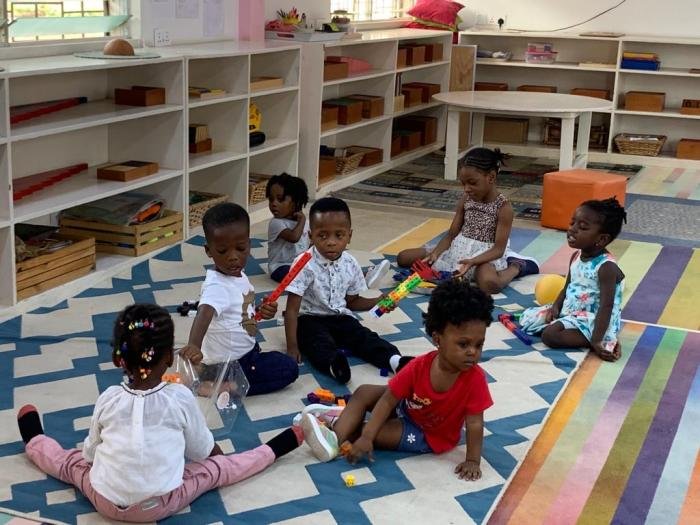
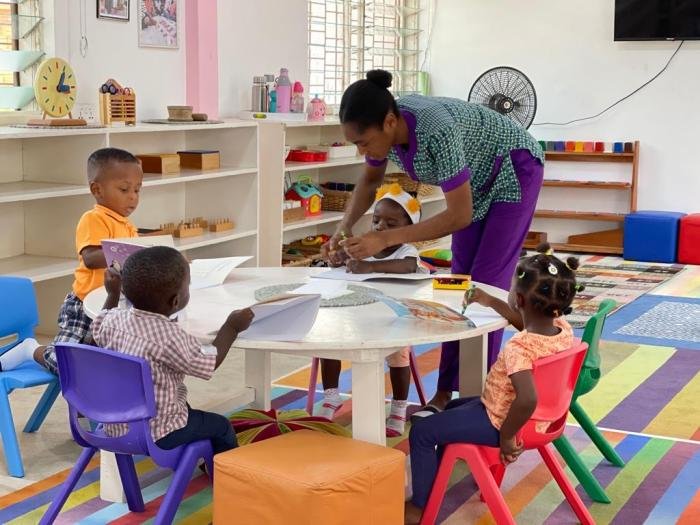
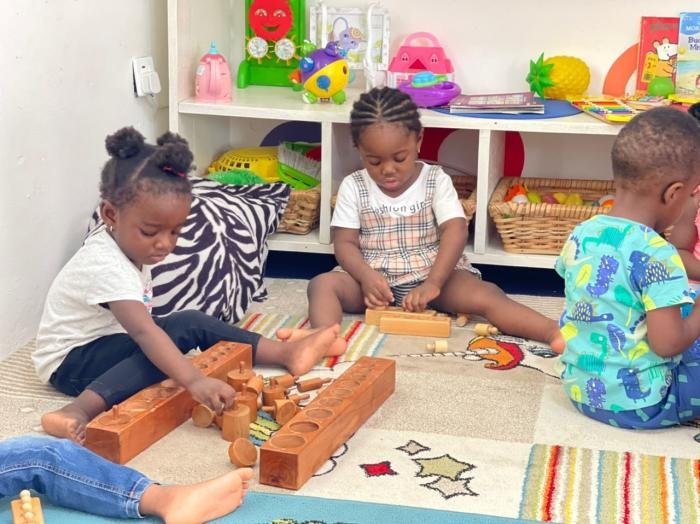
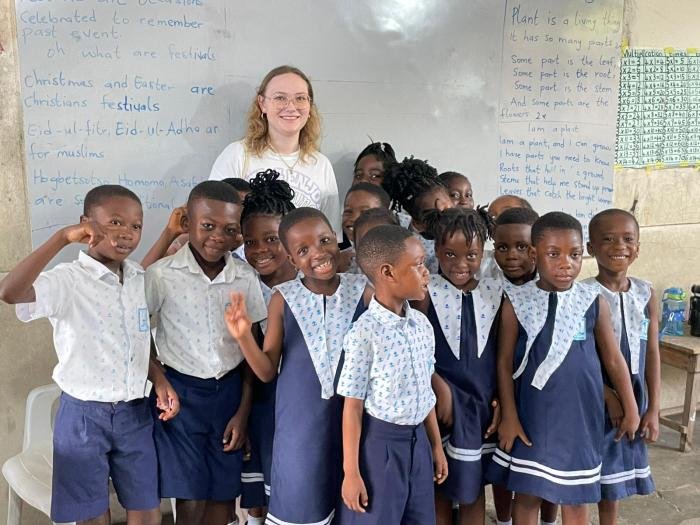
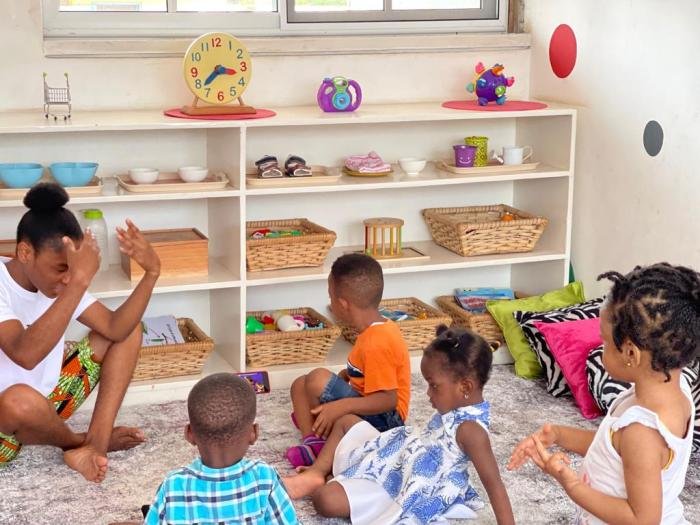
- Kindergarten and Teaching Volunteer Programme in Ghana — Volunteers work mainly as an assistant to the teaching staff in the kindergarten or preschools and help out in different activities at the centres.With your dedication as a volunteer, you give the…
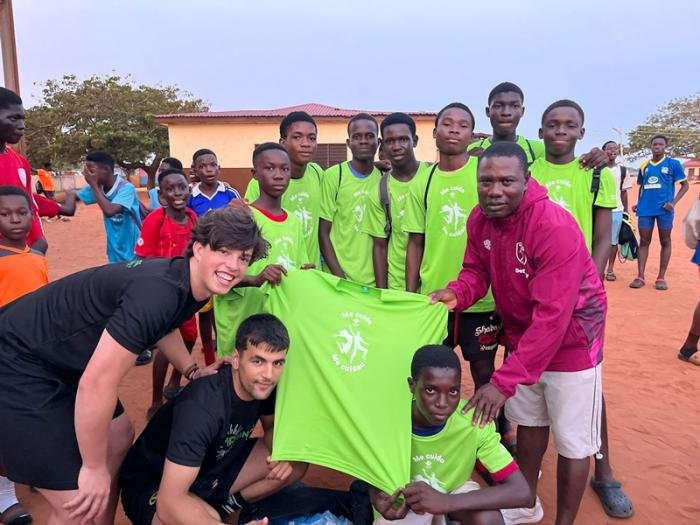
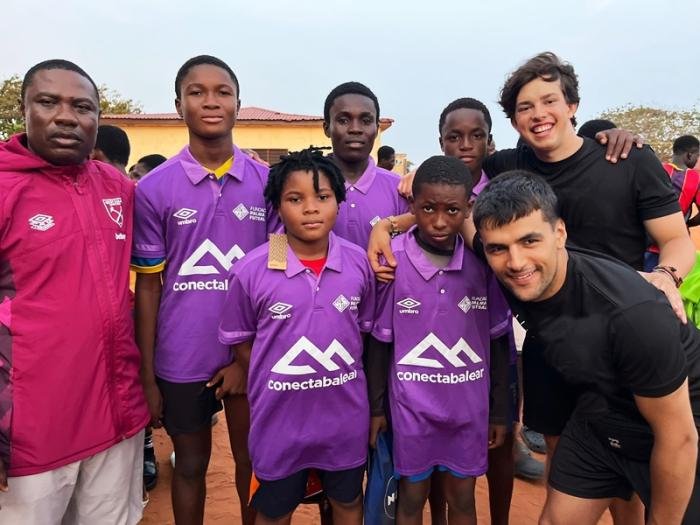
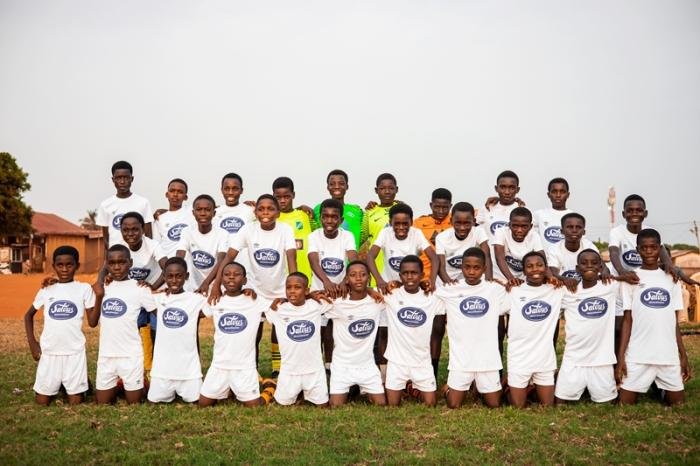
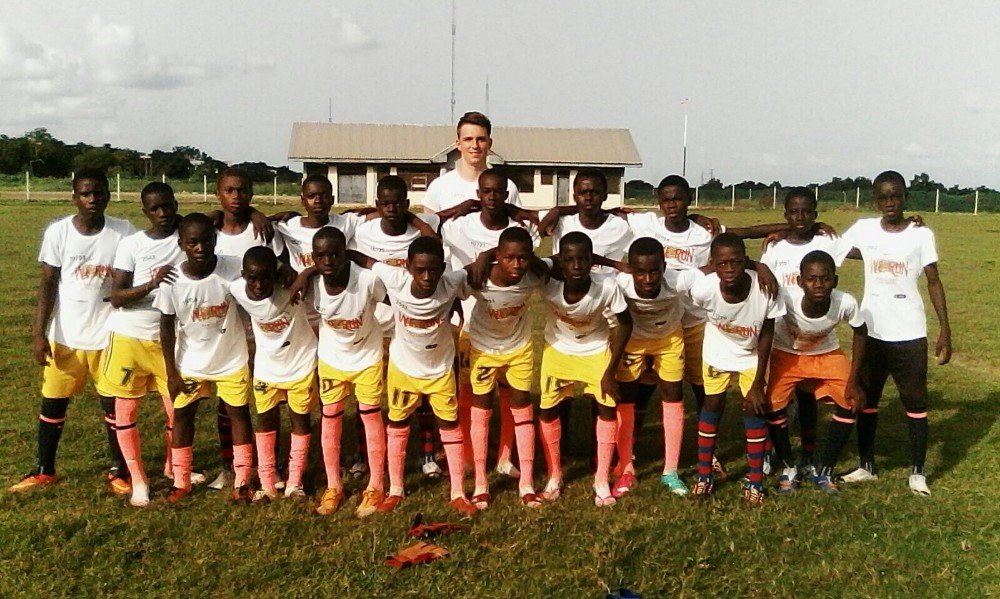
- Sports Volunteering in Ghana | Football Coaching — Volunteer with a community-based football academy in Accra, supporting young players through coaching, mentorship, and structured training.
Make a positive impact in Ghana
Volunteering in Ghana means becoming part of a wider mission to empower local communities. Whether you’re helping a child learn their ABCs or coaching a football session, every contribution plays a role in building a brighter future.
You’ll gain cultural insight and global perspective, while communities benefit from your time, compassion and effort.
Volunteering in Ghana at a glance
Prices, durations, start dates and ages come straight from our booking system for each programme. Programme facts reviewed 12 Sep 2026.
Projects you can join
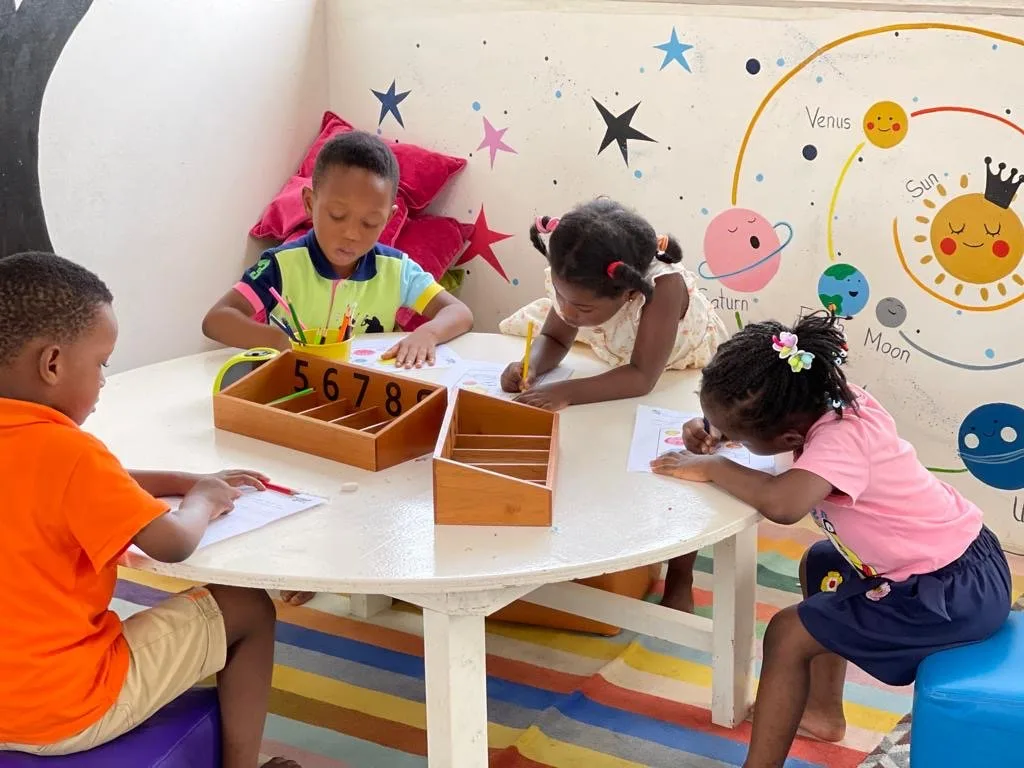
Kindergarten and Teaching Volunteer Programme in Ghana
Volunteers work mainly as an assistant to the teaching staff in the kindergarten or preschools and help out…
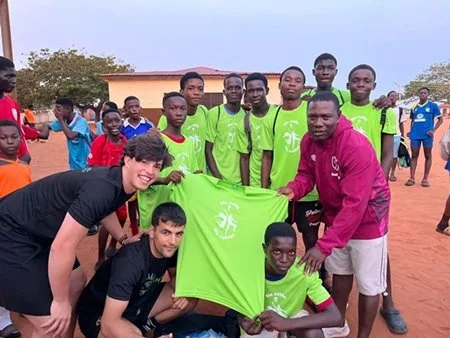
Sports Volunteering in Ghana | Football Coaching
Volunteer with a community-based football academy in Accra, supporting young players through coaching, mentorship, and structured training. Help…
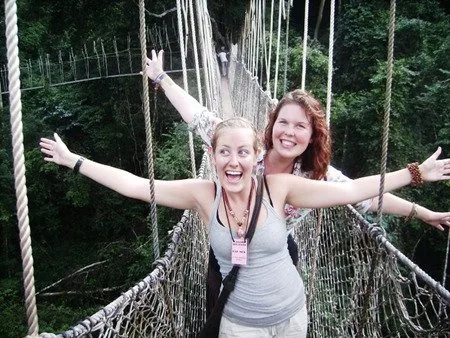
2 Weeks Special Volunteer Programme in Ghana
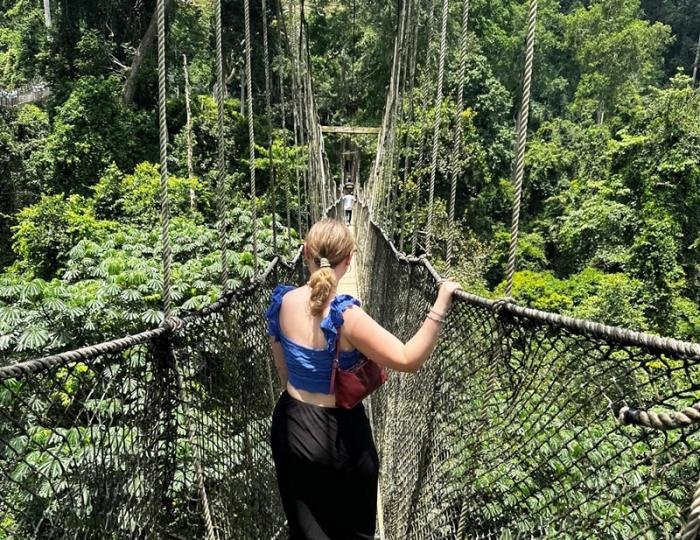
Join a 2-week volunteer programme in Accra, Ghana, combining meaningful community work with cultural exploration. Support kindergarten and…
What it costs to volunteer in Ghana
All-in prices: accommodation, the meals listed for the programme, airport pickup where listed, orientation, placement and in-country support are included.
| Programme | Duration | From |
|---|---|---|
| Kindergarten and Teaching Volunteer Programme in Ghana | 2-12 Weeks | £680 2 weeks |
| Sports Volunteering in Ghana | Football Coaching | 2-12 Weeks | £680 2 weeks |
| 2 Weeks Special Volunteer Programme in Ghana | 2 Weeks | £926 2 weeks |
Includes the £179 booking deposit (counts toward your total, valid for a year, refunded if we cannot place you). Longer stays lower the weekly rate — each programme page has the full week-by-week table.
What your fee covers
- Accommodation at the six-bedroom volunteer house in Teshie Nungua, Accra (or a host family on the 2-week special)
- Breakfast and dinner on programme days
- Airport pickup and drop-off at Kotoka International Airport
- Welcome meeting and orientation with the coordinator, then your placement at the kindergarten, school or football academy
- 24-hour in-country support from long-term staff and a comprehensive pre-departure guide
- Certificate of participation on request
- 2-week special only: the 2-night / 3-day trip to Cape Coast and Kakum National Park (meals on the trip are extra)
Not included
- Flights, the Ghana visa (we help with the paperwork) and vaccinations, including the yellow fever certificate
- Travel insurance (compulsory — our partner policy is available at extra cost)
- Daily transport to your project — most placements are close to the house and cost a few cedis by tro-tro or taxi
- Lunches, bottled water and snacks, weekend travel and personal expenses
The kindergarten and football programmes share one price and run from 2 to 12 weeks, with the weekly rate falling as you stay longer. The 2-week special costs more because it bundles the Cape Coast and Kakum trip and its transport into the fee. Each programme page shows the full week-by-week total.
Where you stay and what you eat in Ghana
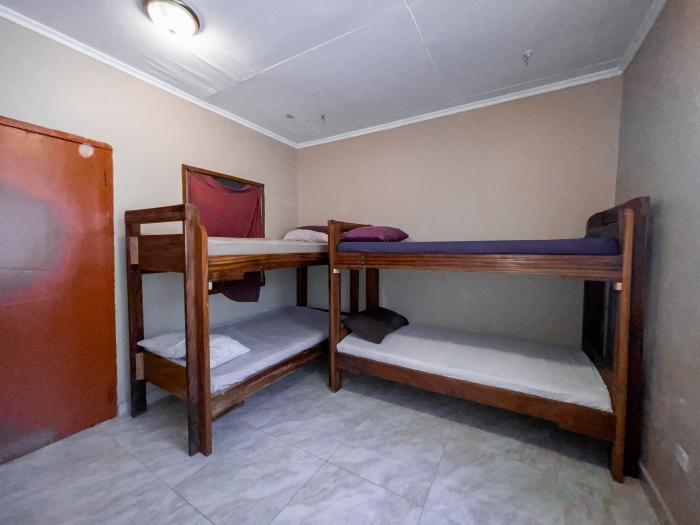
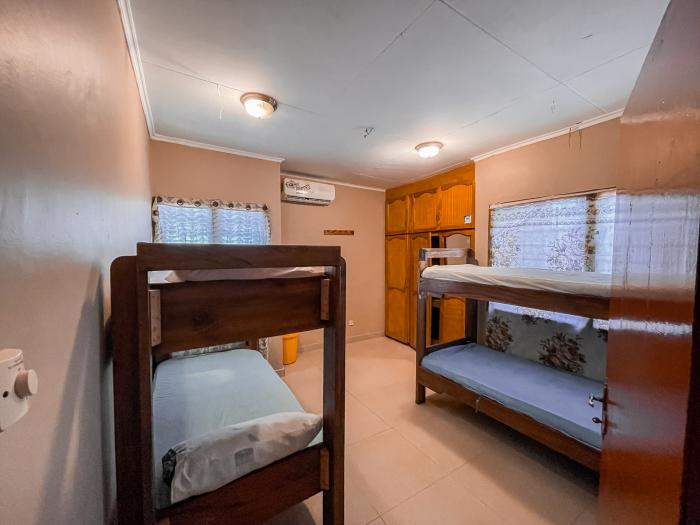
You stay at our volunteer house in Teshie Nungua, a lively coastal suburb 25 minutes from the airport and 20 minutes from central Accra, with the nearest beach a 15-minute walk away and a police station five minutes down the road. The house is a modern six-bedroom residence with two bunk beds per room on a same-gender basis, shared bathrooms, a kitchen, a common lounge and outdoor space; Wi-Fi is available and the coordinators' office is close by. On the 2-week special you may instead be placed with a Ghanaian host family near your school.
Breakfast (bread, eggs, fruit, tea or coffee) is served before you leave for the project and dinner is cooked in the evening — Ghanaian staples such as jollof rice, red-red bean stew, fried plantain, groundnut soup and banku. Lunch is your own: most volunteers eat with colleagues at the project or at a local chop bar for a couple of dollars. Vegetarians are catered for; tell us in advance. Tap water is not for drinking — sachet and bottled water are cheap and everywhere.
Realistic expectations: electricity and water occasionally cut out, rooms are fan-cooled rather than air-conditioned, and Accra traffic means early starts. The trade-off is a house full of volunteers from around the world, a beach on your doorstep and a team that has hosted volunteers here for well over a decade.
Arriving in Ghana and who looks after you
Arrive on Sunday
Our representative meets you at Kotoka International Airport (ACC) and drives you to the volunteer house. Pickup and the return drop-off at the end of your programme are included.
Monday: settle in and orientation
The coordinator walks you through the neighbourhood, local transport (tro-tros and taxis), safety, money, food and Ghanaian etiquette, then explains exactly what your placement expects.
Tuesday: first day at the project
The coordinator takes you to the kindergarten, school or football academy, introduces you to the staff and settles you into the routine. Schools run roughly 8am–3pm Monday to Friday; the football academy follows the club's training timetable, often afternoons.
Support throughout
Long-term local staff check in during the week and are reachable 24 hours a day. Volunteers on the 2-week special leave for Cape Coast and Kakum with the team on the first weekend.
Staying safe in Ghana and who can join
Ghana is politically stable, English-speaking and welcoming, and our Accra programmes have run for well over a decade from the same base. You are met at the airport, live in a volunteer house in a residential area with a police station nearby, and have coordinators reachable around the clock. Petty theft in crowded markets and on tro-tros is the main risk: keep valuables zipped away, avoid displaying phones and cash, use taxis or ride-hailing apps after dark, and swim only at beaches with lifeguards — the Atlantic currents are strong.
Health: a yellow fever vaccination certificate is required to enter Ghana. Malaria is present all year, so take prophylaxis as advised by your travel clinic and use repellent and a net; hepatitis A, typhoid and routine vaccinations are commonly recommended. Drink sachet or bottled water only. Check NHS Fit for Travel or the CDC six to eight weeks before departure. Visa: most nationalities, including UK, EU, US, Canadian and Australian passport holders, need a visa in advance from a Ghanaian embassy or high commission. We help with the paperwork once you book — allow at least two months.
Who can join: minimum age 17 (with a parental consent form for under-18s); a clean criminal background check is required on all three programmes because they involve children. No teaching or coaching qualification is needed — energy, patience and a genuine interest in the children (and in football, for the academy) are what count.
Requirements checklist
- Minimum age: 17+
- Background check: required for placements with children or vulnerable adults — issued within 12 months of your start date, in English or with a translation. How to get one
- Travel insurance: comprehensive cover for your whole stay is compulsory; you can bring your own or take the policy we arrange. Insurance details
- Safeguarding: every volunteer follows our code of conduct for children and vulnerable adults, explained again at orientation. Read the policy
📘 Planning in more depth? Read our Ghana costs, visa and safety guide.
How we volunteer responsibly in Ghana
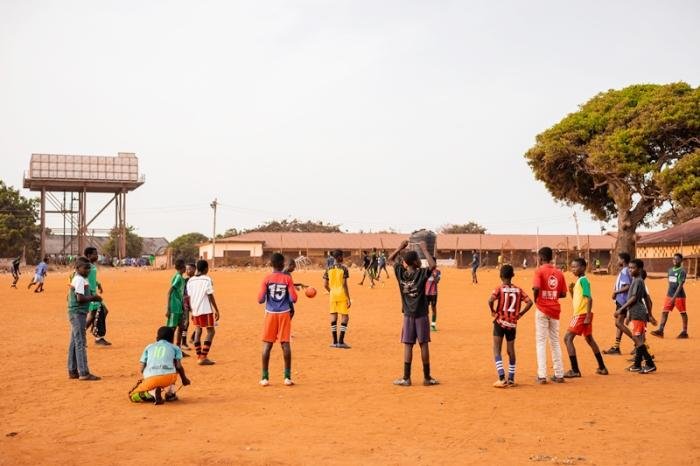
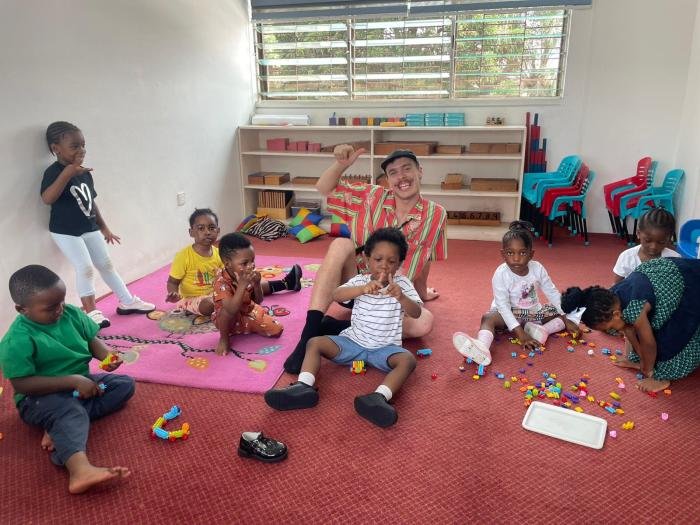
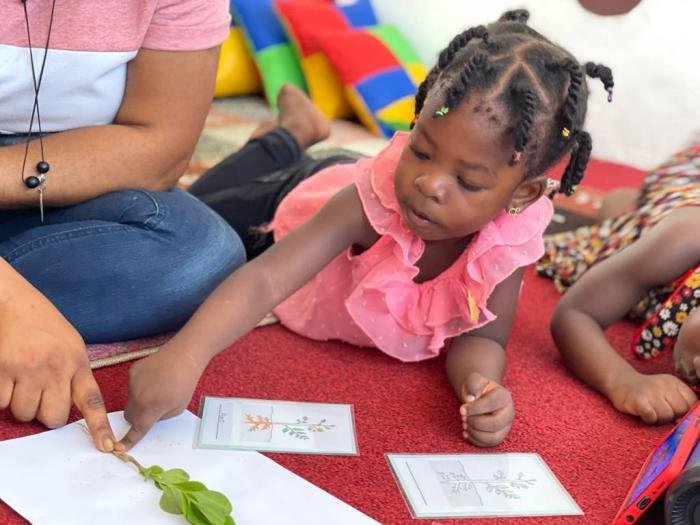
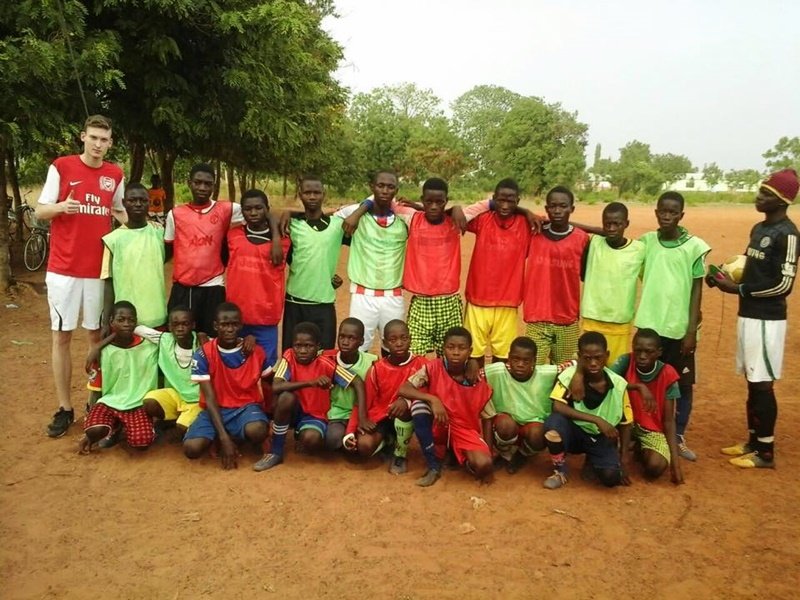
Our Ghana placements are community kindergartens and primary schools and a community-based football academy in Accra, each with its own Ghanaian teachers and coaches whom volunteers assist. You help small groups with reading and numeracy, run games and creative activities, and support the coaching staff on the pitch; you do not replace teachers, take classes unsupervised or take children off the premises.
All volunteers provide a criminal background check before arrival and follow our child protection code of conduct, which is explained again at orientation: no photographs without permission from the school, no gifts of money to individual children, and respect for the school's own discipline and routines. Donations of stationery or sports equipment go to the project through the coordinator so they benefit everyone.
Ghana rewards volunteers who are consistent — the same familiar face at the school gate every morning matters more to the children than any grand plan. Come to support, learn and be part of the community rather than to rescue it.
Life outside the project in Ghana
Best time: the dry season from October to March is less humid and easiest for travel; April to September brings rain and humidity, though temperatures stay warm (25–32°C) all year. December is festive, with concerts and homecoming celebrations in Accra. Programmes run year-round.
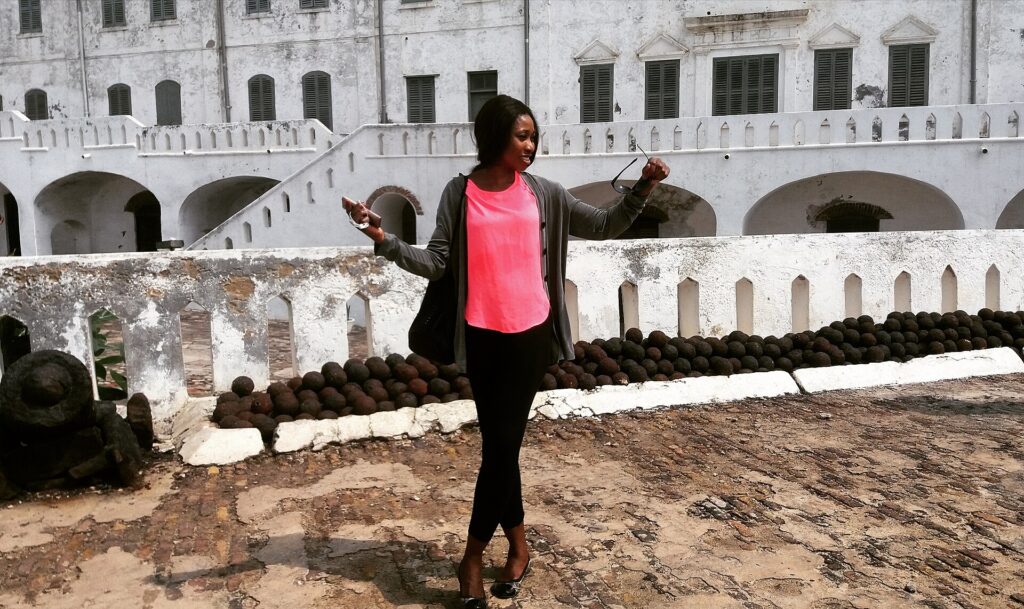
Getting around: tro-tros (shared minibuses) are the cheapest way around Accra, taxis and ride-hailing apps are plentiful, and long-distance buses reach Cape Coast in three to four hours and Kumasi in five. Weekends: Kokrobite and Labadi beaches, the surf and reggae of Busua, the castles of Cape Coast and Elmina, the rainforest canopy walkway at Kakum, the Ashanti capital Kumasi, and — with a longer break — a walking safari among elephants at Mole National Park in the north.
Etiquette: greet everyone, use your right hand for giving and eating, ask before taking photos, dress modestly at schools and in villages, and expect to be called "obroni" (foreigner) with a smile. A few words of Twi — "akwaaba" (welcome), "medaase" (thank you) — go a long way. Our Things to Do in Ghana guide has more.
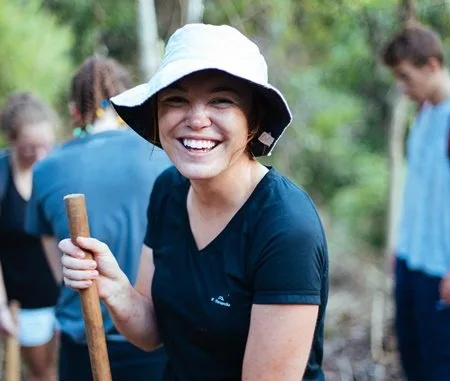
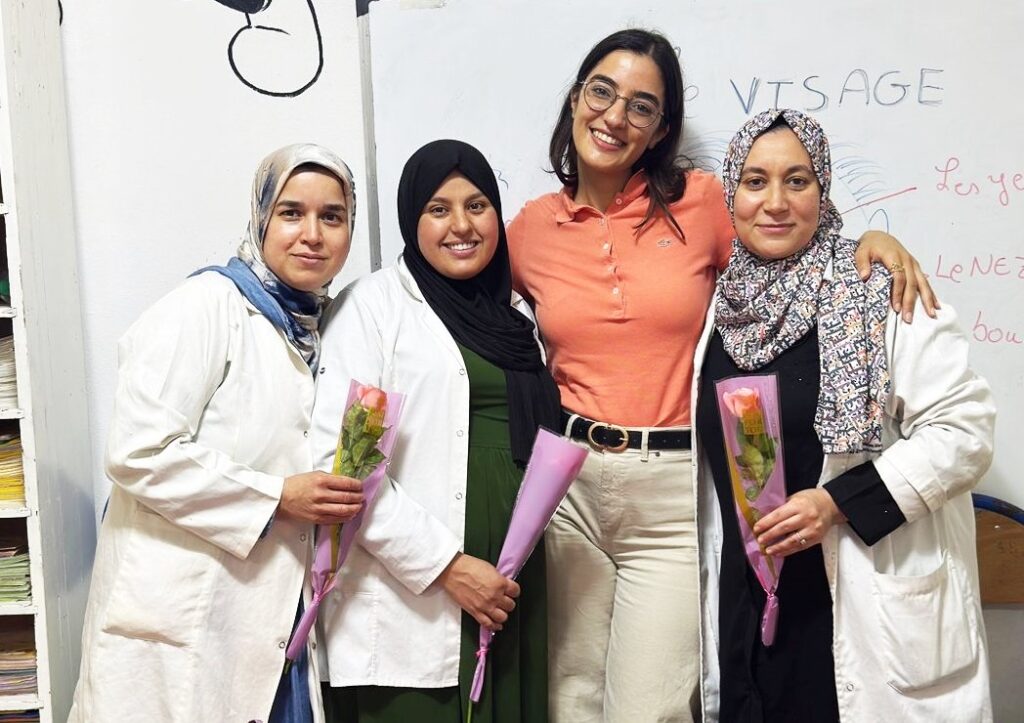
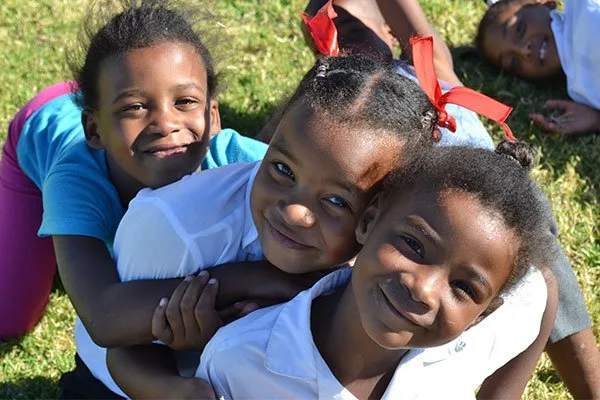
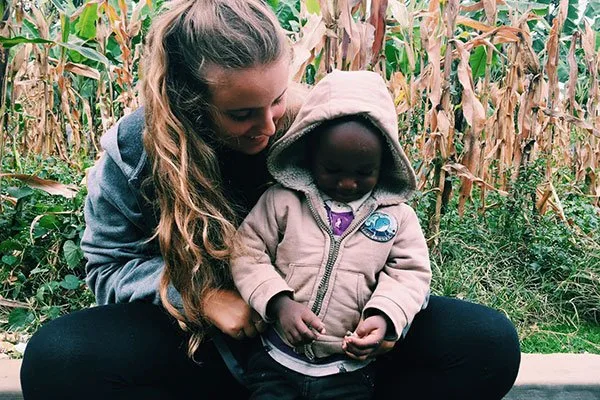
Life in Ghana

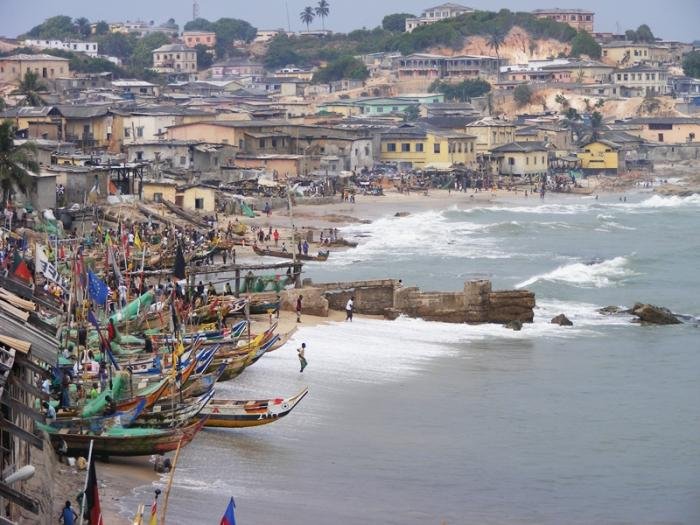
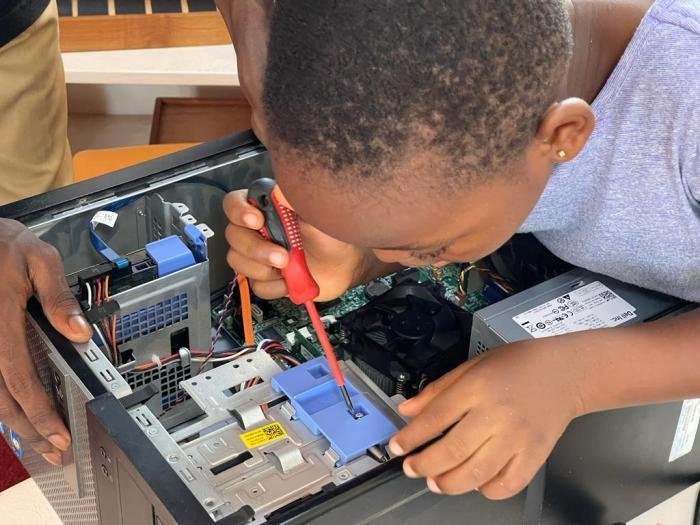
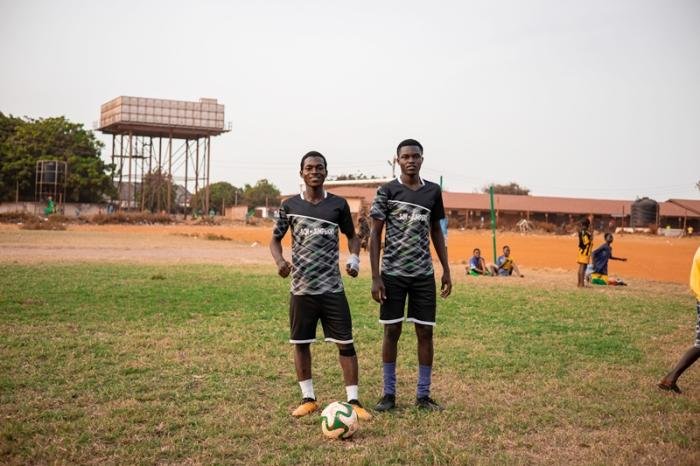
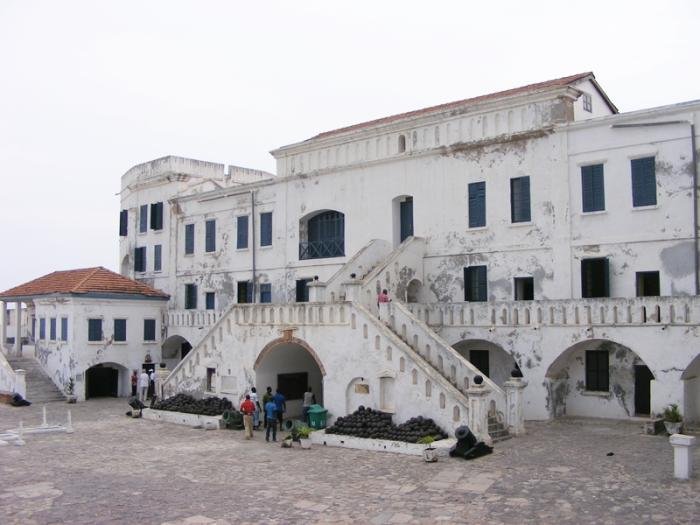
What our volunteers say
Explore other destinations
Your questions, answered
How much does it cost to volunteer in Ghana?
Programmes start from £680 for two weeks, deposit included — one price covering your volunteer-house accommodation, breakfast and dinner, airport pickup and drop-off, orientation, placement and 24-hour support. Longer stays cost less per week (up to 12 weeks) and each programme page shows the full week-by-week total. Flights, visa, vaccinations, insurance, lunches and local transport are extra.
Do I need a visa for Ghana?
Yes — almost all nationalities, including UK, EU, US, Canadian and Australian citizens, need a visa in advance from a Ghanaian embassy or high commission. Once you book we send the supporting documents and guide you through the application; allow at least two months before departure. Your passport needs six months' validity and two blank pages.
Is Ghana safe for volunteers?
Yes. Ghana is one of West Africa's most stable and welcoming countries, and our Accra programmes have run from the same base for well over a decade. You are met at the airport, live in a volunteer house in a residential area with a police station nearby, and have 24-hour coordinator support. Take normal precautions against petty theft in markets and on public transport, use taxis after dark, and only swim at beaches with lifeguards.
What is the minimum age to volunteer in Ghana?
17 on all three programmes, with a signed parental consent form for volunteers under 18. There is no upper age limit. Everyone provides a clean criminal background check because all placements involve children.
How long can I volunteer in Ghana?
The kindergarten and football programmes run from two to twelve weeks; the 2-week special is a fixed two-week programme. All start on Sundays throughout the year and the next available start is 13 Sep 2026. Longer stays cost less per week.
Where will I stay in Ghana?
At our volunteer house in Teshie Nungua, a coastal suburb of Accra 20 minutes from the city centre and a 15-minute walk from the beach: a modern six-bedroom house with bunk-bed rooms shared on a same-gender basis, shared bathrooms, a kitchen and a common lounge. On the 2-week special you may be placed with a host family instead.
Are meals included in Ghana?
Breakfast and dinner are included on programme days, cooked at the volunteer house — jollof rice, plantain, bean stews, groundnut soup and other Ghanaian favourites, with vegetarian options if you tell us in advance. Lunch is your own; a plate at a local chop bar costs a couple of dollars. Meals during the Cape Coast trip on the 2-week special are not included.
Will I be picked up at the airport in Ghana?
Yes. Our representative meets you at Kotoka International Airport (ACC) in Accra on your Sunday arrival and drives you to the volunteer house, 25 minutes away. The drop-off back to the airport at the end of your programme is included on the kindergarten and football programmes.
Which vaccinations do I need for Ghana?
A yellow fever vaccination certificate is required for entry. Malaria prophylaxis is strongly advised all year, along with repellent and a mosquito net, and hepatitis A, typhoid and routine vaccinations are commonly recommended. See a travel clinic six to eight weeks before you leave and check NHS Fit for Travel or the CDC for current advice.
When is the best time to volunteer in Ghana?
The dry season, October to March, is the most comfortable and the best for weekend travel to Mole National Park and the coast; December is especially lively in Accra. April to September is the rainy season — still warm, with heavier showers. Programmes run all year round.
I'm travelling alone — is Ghana a good choice?
Very much so. The volunteer house hosts a rotating group of volunteers from around the world, most of whom arrived solo, and English is the official language, so settling in is quick. Orientation, shared dinners and weekend trips to Kokrobite or Cape Coast mean you rarely explore alone unless you want to.
What should I pack for volunteering in Ghana?
Light, modest clothes (long trousers and covered shoulders for the classroom; football kit and boots for the academy), sandals and closed shoes, a rain jacket for the wet season, a strong mosquito repellent and a travel mosquito net, sunscreen, a small zipped bag for valuables, a basic first-aid kit and your yellow fever certificate with your passport. Stationery, reading books or footballs are welcome donations — or buy them in Accra to support local traders.
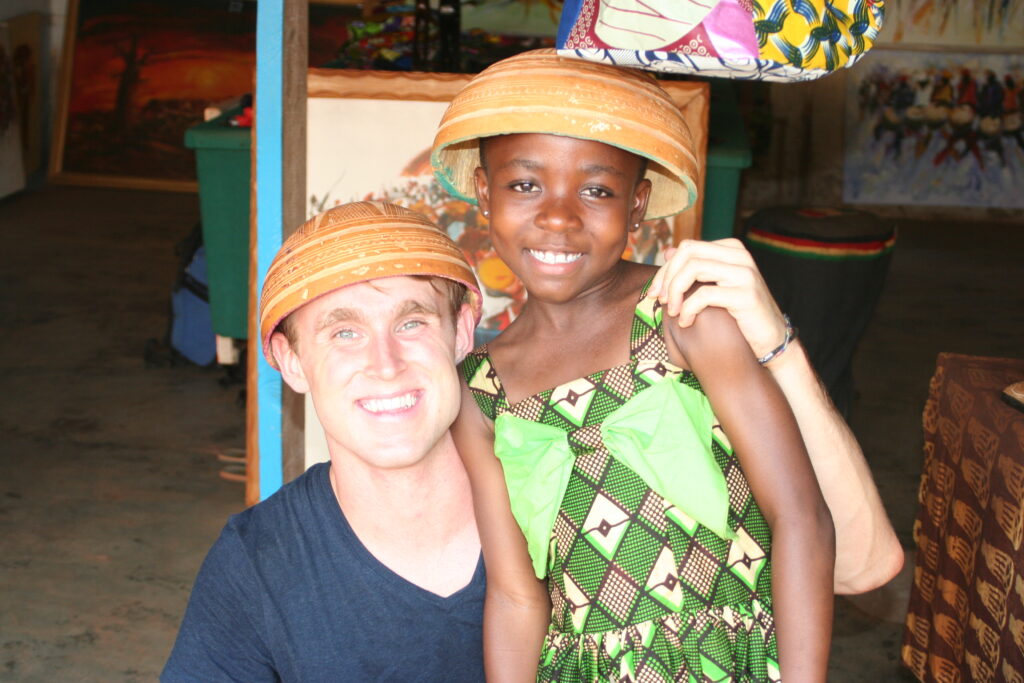
Ready to volunteer in Ghana?
3 programmes · from £680 · next start 13 Sep 2026
Free advice, no obligation. Change programme, dates or destination free of charge up to 45 days before you start.