 English (US) ▾
 Nederlands
 English (UK)
 Deutsch
 Italiano
 Português
 Español
Volunteer with Sea Turtles
Hands-on sea turtle conservation in Costa Rica, Bali, Madagascar, Sri Lanka and Tanzania — hatchery care, nest patrols and monitoring, from $869 with housing and meals included.
Working alongside local turtle conservation teams
Day to day, turtle conservation work is practical and often unglamorous: cleaning hatchery tanks, recording nest counts, walking beaches at night to spot nesting females, and relocating eggs away from poachers or tides. Some projects add reef or coastal cleanup work alongside the turtle program. It suits volunteers who don't mind early starts, sand in their shoes and repetitive monitoring tasks, rather than close animal contact — sea turtles are wild animals and volunteers work at a respectful distance, following the lead of local conservation staff.
Volunteering Solutions runs turtle conservation projects across Costa Rica, Bali, Madagascar and Sri Lanka, plus Costa Rica, Bali, Madagascar, Sri Lanka and Tanzania more broadly, through local in-country teams who set the daily schedule and handle safety and permits. Programs run from 1 to 20 weeks, start from 16+ (18+ on some programs), and fees start from $869 (deposit $249), including accommodation, meals and in-country support. If you'd rather cover reef and ocean habitats more broadly, see our marine conservation programs, or browse other wildlife conservation projects if turtles aren't the only species you want to work with.
Projects you can join
6 programs across 5 countries, straight from our booking system — filter by country.

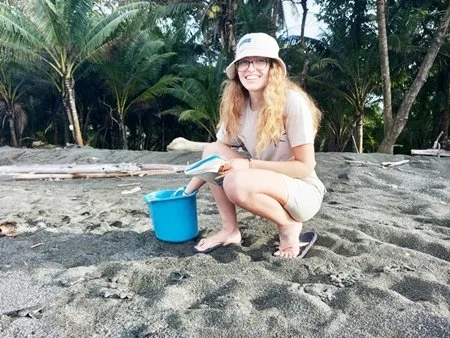
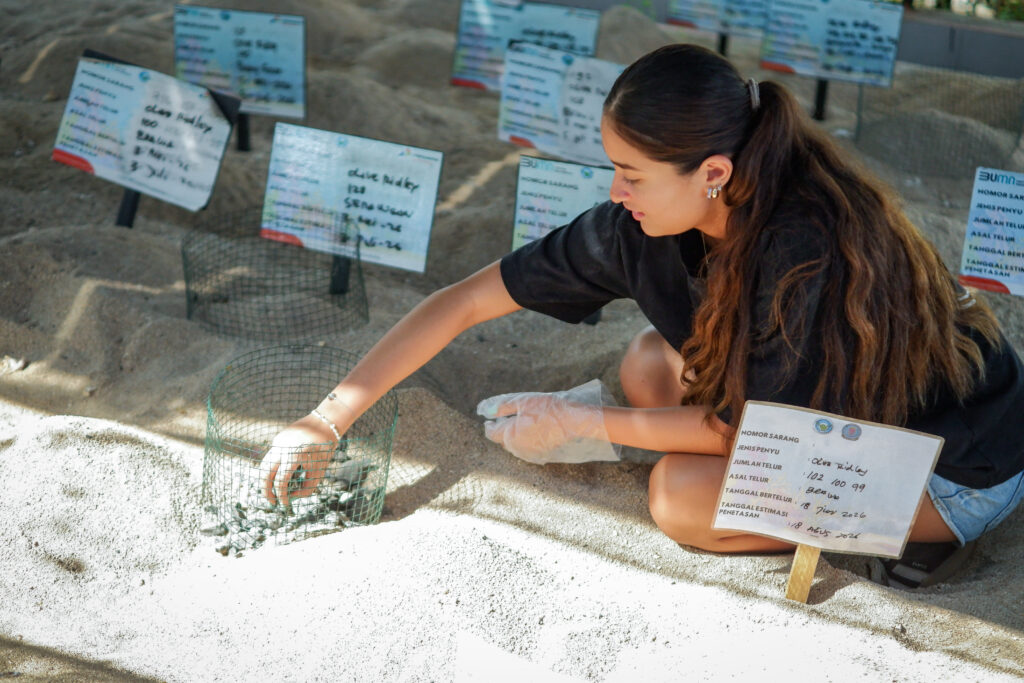
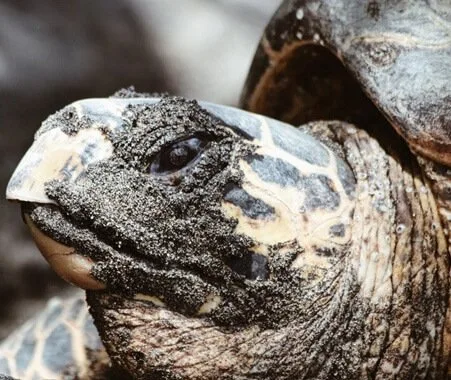
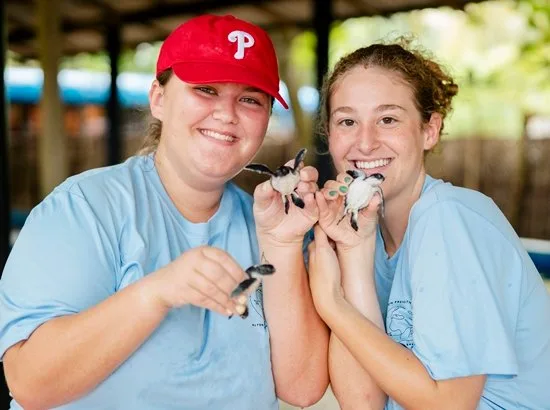
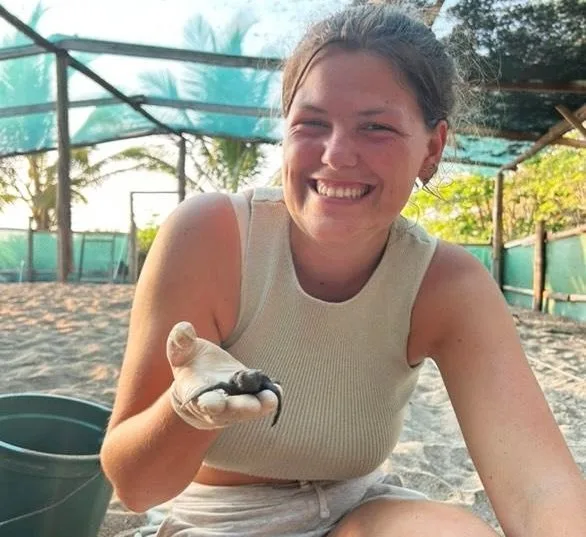
Where you can volunteer with sea turtles
Each country page lists every program there with live prices, start dates and the local team's details.


Who can join, how long you can stay, and what it costs
Before you apply
- Minimum age is 16+, rising to 18+ on some programs — check the country page for the exact cutoff before you apply.
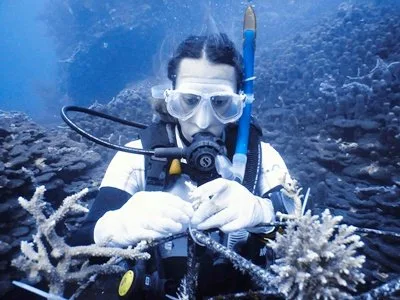
- No previous conservation experience is required for hatchery care, beach patrols or monitoring; training is given on arrival. The Tanzania coral and turtle project is the exception — it involves scuba diving, so you need to be able to swim and complete a dive medical questionnaire.
- Some programs — including projects in Costa Rica, Bali and Sri Lanka — require a background check before you travel, in line with local project requirements.
- The Bali project asks for fluent English, since volunteers help brief visitors and other volunteers on-site.
- Fees from $869 (deposit $249) cover accommodation, meals and in-country support; flights, visas and insurance are arranged separately.
- Start dates are fixed rather than rolling — the next intake is 19 Sep 2026 — so book ahead once you know your travel dates.
Cost by country
| Country | Programs | Minimum age | Duration | From |
|---|---|---|---|---|
| Madagascar | 1 | 18+ | 1–12 weeks | $869 |
| Costa Rica | 2 | 18+ | 1–12 weeks | $984 |
| Sri Lanka | 1 | 16+ | 1–20 weeks | $998 |
| Bali | 1 | 18+ | 1–12 weeks | $1,246 |
| Tanzania | 1 | 17+ | 2–12 weeks | $1,474 |
"From" is the all-in fee for the shortest stay and includes the $249 booking deposit; accommodation, the meals listed for the program, airport pickup where listed, orientation, placement and in-country support are covered. Flights, insurance, visas and personal spending are not. Each program page has the full week-by-week price table.
Sea Turtle Conservation Volunteering
Six of the world's seven sea turtle species are threatened or endangered — and hands-on volunteers make a measurable difference to hatchling survival. Volunteering Solutions runs turtle conservation programs in Sri Lanka, Bali, Costa Rica, Madagascar and Tanzania, from hatchery care on Kosgoda beach to night-time nest patrols on the Osa Peninsula. Fees start from $500 including accommodation, meals and in-country support. Prefer the wider underwater picture? See our marine conservation programs.
What will you do as a turtle conservation volunteer?

- Care for rescued and injured turtles at hatcheries and rehabilitation tanks — feeding, tank cleaning and health checks.
- Protect nests from poaching and predators, and relocate at-risk clutches to guarded hatcheries.
- Join beach patrols and cleanups so nesting females and emerging hatchlings have a safe shoreline.
- Record monitoring data that feeds real conservation research.
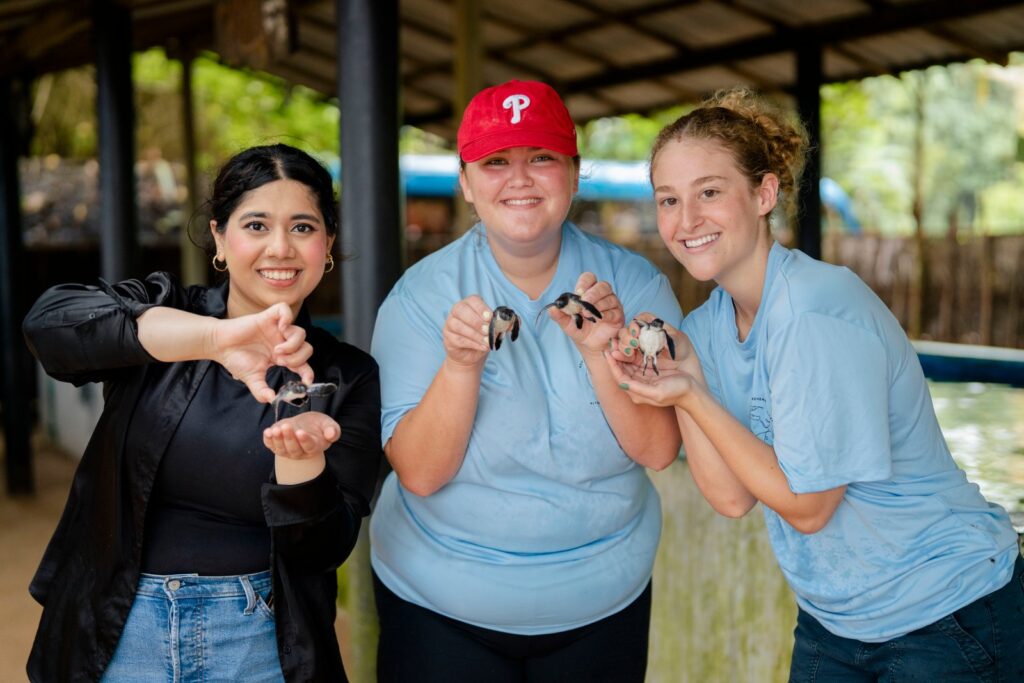
- Help release hatchlings — the moment every turtle volunteer remembers.
Boundaries that keep turtle work responsible
Sea turtles are wild animals, and six of the world's seven species are threatened or endangered — a status driven mostly by poaching, beach development and disturbed nesting sites. VS partners with hatcheries and patrol projects that limit handling to what nests and hatchlings actually need: relocating eggs to safer ground, checking on rehabilitating turtles, and releasing hatchlings promptly rather than holding them for visitors. Volunteers do not ride, bathe or pose with turtles, and they do not take over feeding or treatment decisions from local conservation staff — that stays with the project's own team.
- Projects are chosen for their conservation protocols, not for promised animal encounters.
- Handling is limited to nest relocation, tank cleaning and monitoring — not entertainment.
- Local staff make the calls on treatment, release timing and site access.
Our standards
- Safeguarding policyVetted placements, a code of conduct and background checks where you work with children or vulnerable adults.
- Child & vulnerable adult protectionHow placements with children are run and what volunteers may and may not do.
- Responsible volunteer travelCommunity-led projects, no work that displaces local jobs, honest about what a short stay can do.
- Certified B CorporationIndependently assessed on impact, transparency and accountability.
What our volunteers say
Volunteer with Sea Turtles: frequently asked questions
What will I actually do as a sea turtle volunteer?
Work depends on the project and season, but it typically includes hatchery care — feeding and tank cleaning for rescued or injured turtles — plus nest protection, night beach patrols, egg relocation and data monitoring. Some programs pair turtle work with wider marine or environment conservation, and one project (Tanzania) adds coral restoration by scuba diving. Local conservation staff set the daily schedule and lead all animal handling.
Who is this suited for, and what's the minimum age?
The minimum age across our sea turtle programs is 16+, rising to 18+ on some destinations, so check the specific country before applying. No previous conservation experience is required for hatchery, patrol or monitoring work — training happens on arrival. The Tanzania project is the exception, since it involves scuba diving and asks volunteers to be able to swim and complete a dive medical questionnaire.
How much does turtle conservation volunteering cost?
Fees start from $869, with a $249 deposit to secure your place, and cover accommodation, meals and in-country support. Costs vary by country, duration and whether the project combines turtle work with wider marine or environment conservation. Flights, visas and travel insurance are separate. See how program costs break down for the full picture.
How long do programs run and when can I start?
Turtle projects run from 1 to 20 weeks depending on the country and project. Start dates are fixed rather than rolling, with the next intake on 19 Sep 2026; some destinations start weekly, others twice a month. Check the start dates explorer for exact schedules by country.
Where can I volunteer with sea turtles?
Volunteering Solutions runs turtle conservation projects in Costa Rica, Bali, Madagascar, Sri Lanka and Tanzania, from Indian Ocean hatcheries to Pacific nesting beaches and coral-reef habitats. Costa Rica, Bali, Madagascar and Sri Lanka run the most turtle-specific placements; Tanzania combines turtle conservation with coral restoration by scuba diving. Each country page lists exact locations, seasons and project details.
What support is in place while I'm volunteering?
Each project has a local in-country team who manages logistics, safety and day-to-day supervision, backed by 24/7 support from Volunteering Solutions. Accommodation, meals and airport arrival are arranged before you travel, and staff brief you on turtle handling protocols and local conditions on arrival. Travel insurance is required and booked separately — see our travel insurance guidance.
Do I get to hold or swim with turtles?
Handling is limited to what nests and hatchlings need — relocating eggs, cleaning rehabilitation tanks and checking on recovering turtles — rather than close contact for its own sake. Volunteers do not ride, bathe or pose with turtles, and hatchlings are released promptly rather than held for visitors. Local conservation staff make all handling and treatment decisions.
Is turtle hatchery volunteering ethical?
Reputable hatcheries exist because poaching and unmanaged beach development destroy unprotected nests. VS partners with projects that follow conservation protocols, limit handling and release hatchlings promptly rather than keeping them for display. Six of the world's seven sea turtle species are threatened or endangered, which is the reason this protective work exists in the first place.
Do I need diving experience or qualifications?
No, not for hatchery care, beach patrols or monitoring work — these need no prior experience or qualifications. The one exception is the Tanzania coral restoration and turtle project, which involves scuba diving; you'll need to be able to swim and complete a dive medical questionnaire, and dive training is included.
When is turtle nesting season?
Nesting and hatching seasons vary by coast and species, so there is no single answer across Costa Rica, Bali, Madagascar, Sri Lanka and Tanzania. Between the destinations there is turtle-related work close to year-round, from nest patrols during nesting season to hatchery care and monitoring at other times. Tell our advisors your travel dates and they'll point you to the right beach.
How do I book, and can I change my dates later?
Book by choosing a country and project, paying the $249 deposit, and our team will confirm your placement and start date. If your plans change, the flexible booking policy lets you change program or dates for free up to 45 days before departure.
Start planning your turtle conservation trip
6 programs · 5 countries · from $869 · next start 19 Sep 2026
Free advice, no obligation. Change program, dates or destination free of charge up to 45 days before you start.